
Strait of Hormuz Shipping Risk: Energy Flow and Economic Exposure

The Strait of Hormuz is a high-leverage chokepoint where partial disruptions can cause outsized repricing through freight and insurance channels. Investors should track route reliability and war-risk premiums as leading indicators.

Strait of hormuz exposure is central to the War and Markets framework because concentrated maritime flow creates nonlinear risk for oil, shipping, and import-dependent economies.

Last updated: March 5, 2026

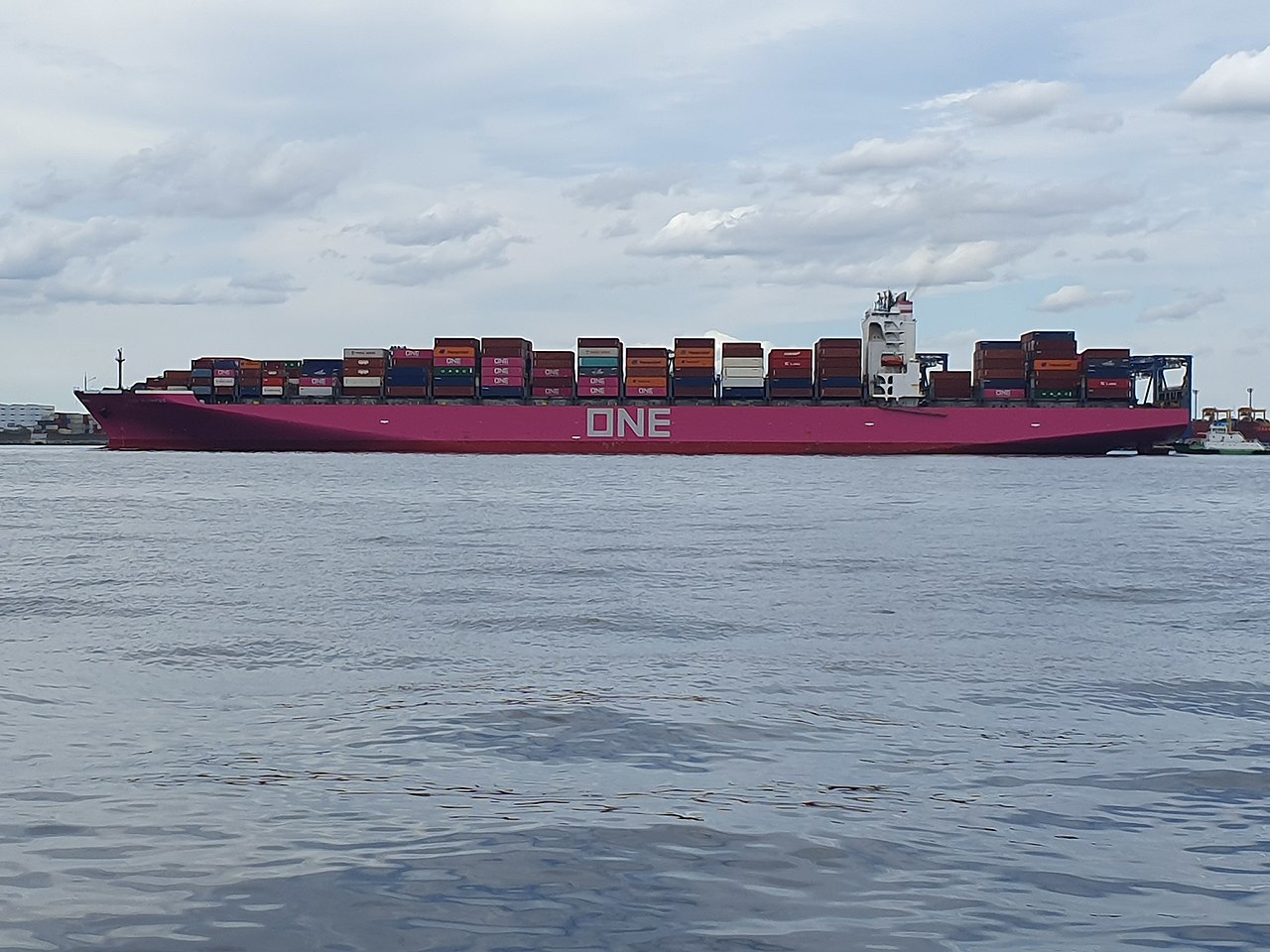
Container ship entering harbor with stacked cargo boxes and port infrastructure.
Visual context: Wikimedia Commons: Ocean Network Express container ship entering Tokyo harbor

Methodology

This analysis uses a scenario framework that combines market pricing, route/shipping evidence, policy signals, and macro confirmation data. Assumptions are reviewed on a weekly cadence and stress-tested under base, escalation, and tail-risk regimes.

  • Primary decision focus: Is route disruption probability high enough to justify energy and inflation re-pricing?
  • Signal lens A: route throughput and insurance repricing
  • Signal lens B: importer vulnerability and substitution limits

Why the Strait of Hormuz Is the Most Important Chokepoint

Why the Strait of Hormuz Is the Most Important Chokepoint reframes strait of hormuz around route throughput and insurance repricing, helping separate reversible shocks from conditions that can impair multi-quarter forecasts.

Pairing strait of hormuz map with importer vulnerability and substitution limits clarifies whether current moves reflect durable repricing or short-lived positioning effects.

The portfolio-level question remains explicit: Is route disruption probability high enough to justify energy and inflation re-pricing?. Use this section to document a trigger, a review cadence, and a concrete invalidation rule.

To pressure-test this assumption, review Oil Price Predictions During War: Data, Scenarios, and Risk and Red Sea Shipping News Today: Costs, Delays, and Market Exposure. This keeps the strait of hormuz workflow tied to multi-page evidence rather than single-source interpretation.

strait of hormuz visualization 1
Why the Strait of Hormuz Is the Most Important Chokepoint visualization for strait of hormuz.

What Flows Through the Strait

Inside What Flows Through the Strait, the central strait of hormuz question is whether route throughput and insurance repricing is broadening across assets or staying contained in a single channel.

Scenario quality improves when strait of hormuz closed is mapped to importer vulnerability and substitution limits, especially during weeks when conflicting headlines distort signal clarity.

Treat this section as a monitoring protocol centered on one decision: Is route disruption probability high enough to justify energy and inflation re-pricing?. The objective is consistency across volatile headline windows.

If this signal shifts, cross-check Country Energy Import Exposure: Japan, India, EU, and China and Shipping Chokepoint Risk Hub: Hormuz, Red Sea, and Cost Transmission. This keeps the strait of hormuz workflow tied to multi-page evidence rather than single-source interpretation.

CommodityEstimated FlowTop DestinationsSensitivity
Crude Oil17-18M bpdChina, India, Japan, KoreaVery high
Refined Products2-3M bpdAsia, East AfricaHigh
LNG~20% global tradeJapan, Korea, IndiaVery high
PetrochemicalsMaterialAsia/EuropeMedium
strait of hormuz visualization 2
What Flows Through the Strait visualization for strait of hormuz.

Closure Scenarios and Economic Impact

In the Closure Scenarios and Economic Impact lens, strait of hormuz is best modeled through route throughput and insurance repricing so assumptions can be tested against observable market behavior.

Pairing iran strait of hormuz with importer vulnerability and substitution limits clarifies whether current moves reflect durable repricing or short-lived positioning effects.

The portfolio-level question remains explicit: Is route disruption probability high enough to justify energy and inflation re-pricing?. Use this section to document a trigger, a review cadence, and a concrete invalidation rule.

To pressure-test this assumption, review War Recession Risk: Indicators, Transmission, and Scenarios and Oil Price Predictions During War: Data, Scenarios, and Risk. This keeps the strait of hormuz workflow tied to multi-page evidence rather than single-source interpretation.

ScenarioTransit ImpactFreight/InsuranceMacro Consequence
Harassment eventsIntermittent delays+15% to +30%Contained inflation
Sustained partial disruption20-40% throughput hit+40% to +120%Broad repricing
Temporary closureNear-zero flow (days)+150%+Emergency stock release
Prolonged closureNear-zero flow (weeks)Illiquid pricingRecession risk
strait of hormuz visualization 3
Closure Scenarios and Economic Impact visualization for strait of hormuz.

Iran Strategy: Capability vs. Intent

In practical terms, Iran Strategy: Capability vs. Intent asks whether route throughput and insurance repricing confirms the current strait of hormuz market narrative or challenges it early.

A robust process checks where is the strait of hormuz against importer vulnerability and substitution limits; this avoids overconfidence during fast news cycles and thin liquidity windows.

Avoid overfitting by anchoring to one repeatable decision: Is route disruption probability high enough to justify energy and inflation re-pricing?. Re-evaluate only when your predefined signal stack changes state.

A useful adjacent read is Red Sea Shipping News Today: Costs, Delays, and Market Exposure and Country Energy Import Exposure: Japan, India, EU, and China. This keeps the strait of hormuz workflow tied to multi-page evidence rather than single-source interpretation.

strait of hormuz visualization 4
Iran Strategy: Capability vs. Intent visualization for strait of hormuz.

Global Shipping Reroute Analysis

Inside Global Shipping Reroute Analysis, the central strait of hormuz question is whether route throughput and insurance repricing is broadening across assets or staying contained in a single channel.

Scenario quality improves when strait of hormuz news is mapped to importer vulnerability and substitution limits, especially during weeks when conflicting headlines distort signal clarity.

Treat this section as a monitoring protocol centered on one decision: Is route disruption probability high enough to justify energy and inflation re-pricing?. The objective is consistency across volatile headline windows.

To pressure-test this assumption, review Shipping Chokepoint Risk Hub: Hormuz, Red Sea, and Cost Transmission and War Recession Risk: Indicators, Transmission, and Scenarios. This keeps the strait of hormuz workflow tied to multi-page evidence rather than single-source interpretation.

strait of hormuz visualization 5
Global Shipping Reroute Analysis visualization for strait of hormuz.

Country Vulnerability Rankings

For strait of hormuz, Country Vulnerability Rankings should be treated as an execution module where route throughput and insurance repricing determines whether risk is tactical noise or regime-level stress.

This block should be cross-checked with strait of hormuz map because importer vulnerability and substitution limits often reveals fragility before consensus estimates update.

Convert this analysis into an action framework by restating the core test: Is route disruption probability high enough to justify energy and inflation re-pricing?. If that test fails, de-risk mechanically rather than emotionally.

A useful adjacent read is Oil Price Predictions During War: Data, Scenarios, and Risk and Red Sea Shipping News Today: Costs, Delays, and Market Exposure. This keeps the strait of hormuz workflow tied to multi-page evidence rather than single-source interpretation.

Country/Region% Imports via HormuzStrategic BufferVulnerability
Japan80%+HighHigh
South Korea70%+HighHigh
India50%+MediumHigh
China40%+HighMedium-high
EULower directMedium-highMedium
USLowHighLow
strait of hormuz visualization 6
Country Vulnerability Rankings visualization for strait of hormuz.

Insurance, Shipping Rates, and Cascading Costs

Inside Insurance, Shipping Rates, and Cascading Costs, the central strait of hormuz question is whether route throughput and insurance repricing is broadening across assets or staying contained in a single channel.

A robust process checks strait of hormuz closed against importer vulnerability and substitution limits; this avoids overconfidence during fast news cycles and thin liquidity windows.

Avoid overfitting by anchoring to one repeatable decision: Is route disruption probability high enough to justify energy and inflation re-pricing?. Re-evaluate only when your predefined signal stack changes state.

For confirmation, compare this section with Country Energy Import Exposure: Japan, India, EU, and China and Shipping Chokepoint Risk Hub: Hormuz, Red Sea, and Cost Transmission. This keeps the strait of hormuz workflow tied to multi-page evidence rather than single-source interpretation.

strait of hormuz visualization 7
Insurance, Shipping Rates, and Cascading Costs visualization for strait of hormuz.

How Hormuz Data Connects to Portfolio Decisions

When How Hormuz Data Connects to Portfolio Decisions is handled well, strait of hormuz becomes a repeatable decision system built on route throughput and insurance repricing rather than post-event rationalization.

A useful validation step is to pair this with iran strait of hormuz and compare the signal against importer vulnerability and substitution limits; disagreement usually indicates unstable conviction.

Frame the takeaway as an implementation prompt: Is route disruption probability high enough to justify energy and inflation re-pricing?. Once framed, align exposure, stop logic, and review frequency accordingly.

For implementation context, connect this with War Recession Risk: Indicators, Transmission, and Scenarios and Oil Price Predictions During War: Data, Scenarios, and Risk. This keeps the strait of hormuz workflow tied to multi-page evidence rather than single-source interpretation.

strait of hormuz visualization 8
How Hormuz Data Connects to Portfolio Decisions visualization for strait of hormuz.

Contextual next steps for strait of hormuz: Oil Price Predictions During War: Data, Scenarios, and Risk; Red Sea Shipping News Today: Costs, Delays, and Market Exposure; Country Energy Import Exposure: Japan, India, EU, and China; Shipping Chokepoint Risk Hub: Hormuz, Red Sea, and Cost Transmission; War Recession Risk: Indicators, Transmission, and Scenarios. Use this sequence to validate assumptions before adjusting allocations.

FAQ

Where is the Strait of Hormuz?

It links the Persian Gulf to the Gulf of Oman, bordered by Iran and Oman/UAE.

Can it be fully closed?

Full closure is low probability, but partial disruption is more common and still significant.

Who is most exposed?

Import-dependent Asian economies with high Gulf sourcing carry the largest direct risk.

What is the first stress signal?

War-risk insurance and route changes often move before official trade data.

How does this affect consumers?

Higher energy and shipping costs can pass through to fuel and goods prices.

Authoritative Sources

Financial Disclaimer

This content is for informational purposes only and does not constitute financial advice. Consult a qualified financial advisor before making investment decisions.

Operating Notes and Scenario Calibration

If "Why the Strait of Hormuz Is the Most Important Chokepoint" weakens while strait of hormuz map strengthens, lower conviction and tighten risk budgets. Use Oil Price Predictions During War: Data, Scenarios, and Risk as the adjacent-page confirmation path before changing exposures. External benchmark: EIA chokepoints.

Tie strait of hormuz adjustments to threshold moves in "What Flows Through the Strait" and secondary confirmation from strait of hormuz closed. Validate this signal sequence against Red Sea Shipping News Today: Costs, Delays, and Market Exposure before increasing conviction. Reference series: International Energy Agency.

If "Closure Scenarios and Economic Impact" weakens while iran strait of hormuz strengthens, lower conviction and tighten risk budgets. Validate this signal sequence against Country Energy Import Exposure: Japan, India, EU, and China before increasing conviction. Evidence anchor: Lloyd's List.

Validate strait of hormuz assumptions from "Iran Strategy: Capability vs. Intent" against where is the strait of hormuz before revising exposure tiers. Cross-check assumptions in Shipping Chokepoint Risk Hub: Hormuz, Red Sea, and Cost Transmission so risk decisions stay cluster-aware. Data source for this check: Council on Foreign Relations.

When "Global Shipping Reroute Analysis" diverges from strait of hormuz news, hold neutral sizing until confirmation improves. Compare this setup with War Recession Risk: Indicators, Transmission, and Scenarios to stress-test second-order effects. External benchmark: EIA chokepoints.

Reconcile the "Country Vulnerability Rankings" signal with strait of hormuz map to avoid false positives in volatile sessions. Compare this setup with Oil Price Predictions During War: Data, Scenarios, and Risk to stress-test second-order effects. Data source for this check: International Energy Agency.

Prioritize data from "Insurance, Shipping Rates, and Cascading Costs" and treat unsupported narrative spikes as low-quality inputs. Validate this signal sequence against Red Sea Shipping News Today: Costs, Delays, and Market Exposure before increasing conviction. Evidence anchor: Lloyd's List.

Use "How Hormuz Data Connects to Portfolio Decisions" as a trigger map for strait of hormuz, then pressure-test with iran strait of hormuz and funding conditions. Validate this signal sequence against Country Energy Import Exposure: Japan, India, EU, and China before increasing conviction. Data source for this check: Council on Foreign Relations.

When "Why the Strait of Hormuz Is the Most Important Chokepoint" diverges from where is the strait of hormuz, hold neutral sizing until confirmation improves. Compare this setup with Shipping Chokepoint Risk Hub: Hormuz, Red Sea, and Cost Transmission to stress-test second-order effects. Evidence anchor: EIA chokepoints.

Tie strait of hormuz adjustments to threshold moves in "What Flows Through the Strait" and secondary confirmation from strait of hormuz news. Run a parallel review in War Recession Risk: Indicators, Transmission, and Scenarios to prevent single-page tunnel vision. Reference series: International Energy Agency.

Tie strait of hormuz adjustments to threshold moves in "Closure Scenarios and Economic Impact" and secondary confirmation from strait of hormuz map. Run a parallel review in Oil Price Predictions During War: Data, Scenarios, and Risk to prevent single-page tunnel vision. Evidence anchor: Lloyd's List.

Compare this section's outcome with strait of hormuz closed and delay tactical shifts until both align. Run a parallel review in Red Sea Shipping News Today: Costs, Delays, and Market Exposure to prevent single-page tunnel vision. Reference series: Council on Foreign Relations.

Tie strait of hormuz adjustments to threshold moves in "Global Shipping Reroute Analysis" and secondary confirmation from iran strait of hormuz. Run a parallel review in Country Energy Import Exposure: Japan, India, EU, and China to prevent single-page tunnel vision. Data source for this check: EIA chokepoints.

When "Country Vulnerability Rankings" diverges from where is the strait of hormuz, hold neutral sizing until confirmation improves. Use Shipping Chokepoint Risk Hub: Hormuz, Red Sea, and Cost Transmission as the adjacent-page confirmation path before changing exposures. Primary source link: International Energy Agency.

Reconcile the "Insurance, Shipping Rates, and Cascading Costs" signal with strait of hormuz news to avoid false positives in volatile sessions. Use War Recession Risk: Indicators, Transmission, and Scenarios as the adjacent-page confirmation path before changing exposures. Data source for this check: Lloyd's List.

Compare this section's outcome with strait of hormuz map and delay tactical shifts until both align. Run a parallel review in Oil Price Predictions During War: Data, Scenarios, and Risk to prevent single-page tunnel vision. Evidence anchor: Council on Foreign Relations.

Keep this strait of hormuz workflow anchored to "Why the Strait of Hormuz Is the Most Important Chokepoint" with documented invalidation points. Use Red Sea Shipping News Today: Costs, Delays, and Market Exposure as the adjacent-page confirmation path before changing exposures. Data source for this check: EIA chokepoints.

If "What Flows Through the Strait" weakens while iran strait of hormuz strengthens, lower conviction and tighten risk budgets. Compare this setup with Country Energy Import Exposure: Japan, India, EU, and China to stress-test second-order effects. Data source for this check: International Energy Agency.