
Shipping Chokepoint Risk Hub: Hormuz, Red Sea, and Cost Transmission

Shipping chokepoints can reprice inflation risk before official production data changes, which makes route telemetry a critical market signal. This hub combines Hormuz and Red Sea analysis into one decision workflow.

Shipping chokepoint risk analysis should connect route reliability, insurance premia, and import-cost transmission to portfolio and macro outcomes.

Last updated: March 5, 2026

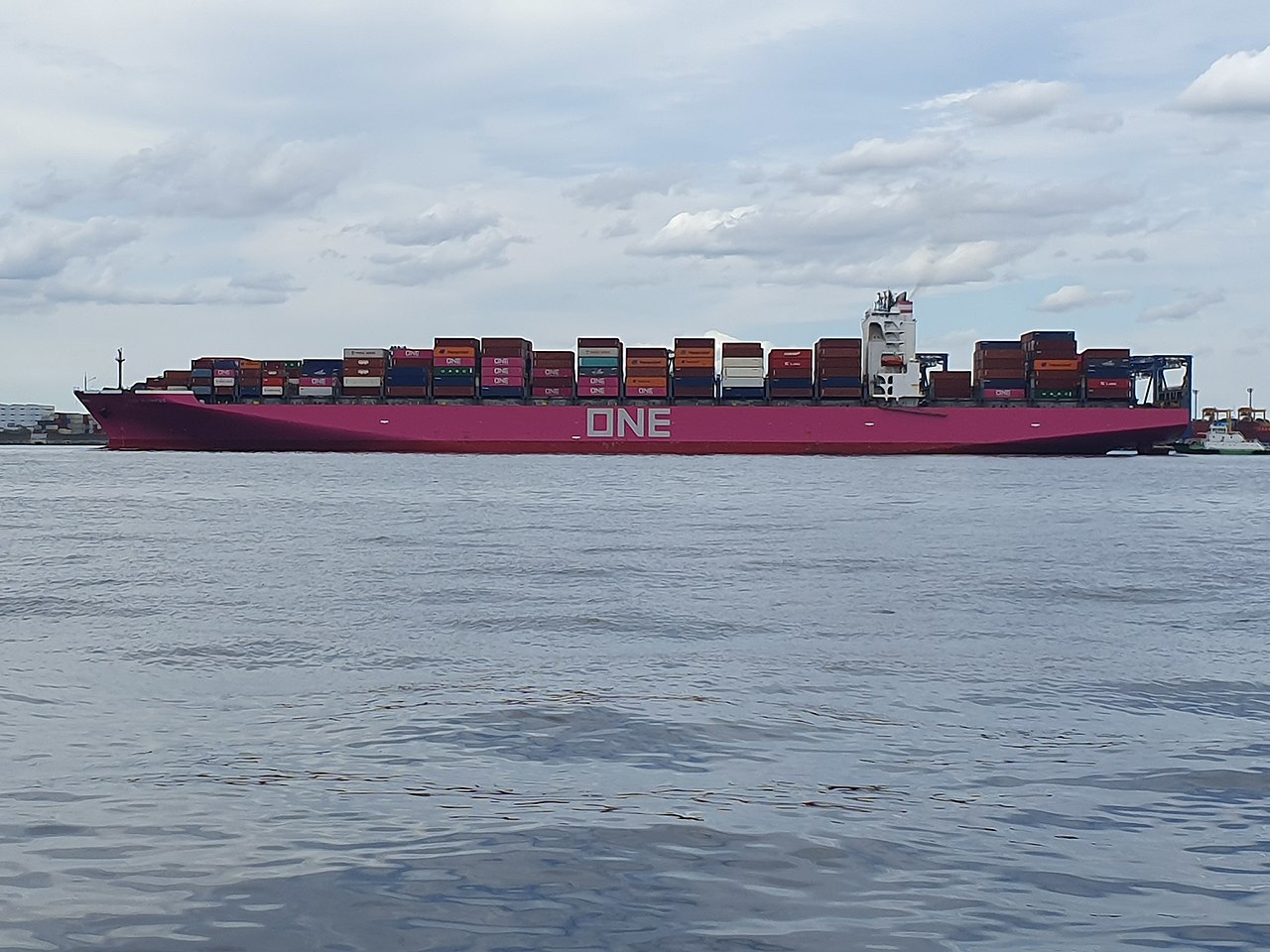
Container ship entering harbor with stacked cargo boxes and port infrastructure.
Visual context: Wikimedia Commons: Ocean Network Express container ship entering Tokyo harbor

Methodology

This analysis uses a scenario framework that combines market pricing, route/shipping evidence, policy signals, and macro confirmation data. Assumptions are reviewed on a weekly cadence and stress-tested under base, escalation, and tail-risk regimes.

  • Primary decision focus: How do route disruptions translate into inflation and earnings risk?
  • Signal lens A: route telemetry and insurance dynamics
  • Signal lens B: cost pass-through and macro spillover

How to Use This Shipping Hub

How to Use This Shipping Hub reframes shipping chokepoint risk analysis around route telemetry and insurance dynamics, helping separate reversible shocks from conditions that can impair multi-quarter forecasts.

Use strait of hormuz as a practical companion metric and benchmark it against cost pass-through and macro spillover before moving capital or changing hedge overlays.

This section should end with a measurable decision statement: How do route disruptions translate into inflation and earnings risk?. That statement defines when to hold, hedge, or rotate.

For confirmation, compare this section with Strait of Hormuz Shipping Risk: Energy Flow and Economic Exposure and Red Sea Shipping News Today: Costs, Delays, and Market Exposure. This keeps the shipping chokepoint risk analysis workflow tied to multi-page evidence rather than single-source interpretation.

shipping chokepoint risk analysis visualization 1
How to Use This Shipping Hub visualization for shipping chokepoint risk analysis.

Two-Chokepoint Monitoring Framework

When Two-Chokepoint Monitoring Framework is handled well, shipping chokepoint risk analysis becomes a repeatable decision system built on route telemetry and insurance dynamics rather than post-event rationalization.

A useful validation step is to pair this with red sea shipping news today and compare the signal against cost pass-through and macro spillover; disagreement usually indicates unstable conviction.

Frame the takeaway as an implementation prompt: How do route disruptions translate into inflation and earnings risk?. Once framed, align exposure, stop logic, and review frequency accordingly.

A useful adjacent read is Country Energy Import Exposure: Japan, India, EU, and China and Conflict Market Indicators: Freight, Inflation, Credit, and Energy. This keeps the shipping chokepoint risk analysis workflow tied to multi-page evidence rather than single-source interpretation.

shipping chokepoint risk analysis visualization 2
Two-Chokepoint Monitoring Framework visualization for shipping chokepoint risk analysis.

Cost Pass-Through Timeline

Cost Pass-Through Timeline should anchor shipping chokepoint risk analysis decisions with route telemetry and insurance dynamics, then translate that evidence into scenario probabilities and position limits.

When shipping route disruption and cost pass-through and macro spillover diverge, position sizing should stay conservative until confirmation arrives from cross-asset price action.

The highest-value output here is not a prediction but a decision trigger: How do route disruptions translate into inflation and earnings risk?. This supports disciplined scenario maintenance.

A useful adjacent read is War Recession Risk: Indicators, Transmission, and Scenarios and Strait of Hormuz Shipping Risk: Energy Flow and Economic Exposure. This keeps the shipping chokepoint risk analysis workflow tied to multi-page evidence rather than single-source interpretation.

shipping chokepoint risk analysis visualization 3
Cost Pass-Through Timeline visualization for shipping chokepoint risk analysis.

Sector and Country Exposure

Sector and Country Exposure should anchor shipping chokepoint risk analysis decisions with route telemetry and insurance dynamics, then translate that evidence into scenario probabilities and position limits.

When war risk insurance rates and cost pass-through and macro spillover diverge, position sizing should stay conservative until confirmation arrives from cross-asset price action.

The highest-value output here is not a prediction but a decision trigger: How do route disruptions translate into inflation and earnings risk?. This supports disciplined scenario maintenance.

A useful adjacent read is Red Sea Shipping News Today: Costs, Delays, and Market Exposure and Country Energy Import Exposure: Japan, India, EU, and China. This keeps the shipping chokepoint risk analysis workflow tied to multi-page evidence rather than single-source interpretation.

shipping chokepoint risk analysis visualization 4
Sector and Country Exposure visualization for shipping chokepoint risk analysis.

Risk Escalation Triggers

Use Risk Escalation Triggers to convert shipping chokepoint risk analysis from commentary into process: define thresholds around route telemetry and insurance dynamics before expressing directional views.

This block should be cross-checked with supply chain conflict cost because cost pass-through and macro spillover often reveals fragility before consensus estimates update.

Convert this analysis into an action framework by restating the core test: How do route disruptions translate into inflation and earnings risk?. If that test fails, de-risk mechanically rather than emotionally.

If this signal shifts, cross-check Conflict Market Indicators: Freight, Inflation, Credit, and Energy and War Recession Risk: Indicators, Transmission, and Scenarios. This keeps the shipping chokepoint risk analysis workflow tied to multi-page evidence rather than single-source interpretation.

shipping chokepoint risk analysis visualization 5
Risk Escalation Triggers visualization for shipping chokepoint risk analysis.

FAQ

Why combine Hormuz and Red Sea pages in one hub?

Because simultaneous stress across routes can produce nonlinear market effects.

What is the first pass-through channel?

War-risk insurance and charter costs usually move before consumer prices.

Who should use this hub?

Investors, advisors, and operators exposed to freight, import costs, or inflation-sensitive sectors.

How often should route data be reviewed?

Daily in active disruption periods and weekly in stable periods.

Which linked pages are foundational?

Strait of Hormuz, Red Sea shipping, war recession risk, and indicators tracker.

Authoritative Sources

Financial Disclaimer

This content is for informational purposes only and does not constitute financial advice. Consult a qualified financial advisor before making investment decisions.

Operating Notes and Scenario Calibration

Validate shipping chokepoint risk analysis assumptions from "How to Use This Shipping Hub" against strait of hormuz before revising exposure tiers. Use Strait of Hormuz Shipping Risk: Energy Flow and Economic Exposure as the adjacent-page confirmation path before changing exposures. Data source for this check: UNCTAD transport.

When "Two-Chokepoint Monitoring Framework" diverges from red sea shipping news today, hold neutral sizing until confirmation improves. Cross-check assumptions in Red Sea Shipping News Today: Costs, Delays, and Market Exposure so risk decisions stay cluster-aware. Evidence anchor: Suez Canal Authority.

Validate shipping chokepoint risk analysis assumptions from "Cost Pass-Through Timeline" against shipping route disruption before revising exposure tiers. Run a parallel review in Country Energy Import Exposure: Japan, India, EU, and China to prevent single-page tunnel vision. Evidence anchor: EIA chokepoints.

When "Sector and Country Exposure" diverges from war risk insurance rates, hold neutral sizing until confirmation improves. Compare this setup with Conflict Market Indicators: Freight, Inflation, Credit, and Energy to stress-test second-order effects. External benchmark: World Bank transport.

Use "Risk Escalation Triggers" as a trigger map for shipping chokepoint risk analysis, then pressure-test with supply chain conflict cost and funding conditions. Run a parallel review in War Recession Risk: Indicators, Transmission, and Scenarios to prevent single-page tunnel vision. Data source for this check: UNCTAD transport.

If "Related Shipping Analysis" weakens while strait of hormuz strengthens, lower conviction and tighten risk budgets. Run a parallel review in Strait of Hormuz Shipping Risk: Energy Flow and Economic Exposure to prevent single-page tunnel vision. Primary source link: Suez Canal Authority.

Keep this shipping chokepoint risk analysis workflow anchored to "How to Use This Shipping Hub" with documented invalidation points. Validate this signal sequence against Red Sea Shipping News Today: Costs, Delays, and Market Exposure before increasing conviction. Data source for this check: EIA chokepoints.

Compare this section's outcome with shipping route disruption and delay tactical shifts until both align. Validate this signal sequence against Country Energy Import Exposure: Japan, India, EU, and China before increasing conviction. Reference series: World Bank transport.

Reconcile the "Cost Pass-Through Timeline" signal with war risk insurance rates to avoid false positives in volatile sessions. Validate this signal sequence against Conflict Market Indicators: Freight, Inflation, Credit, and Energy before increasing conviction. Evidence anchor: UNCTAD transport.

Keep shipping chokepoint risk analysis sizing linked to evidence from "Sector and Country Exposure" instead of discretionary headline sequencing. Use War Recession Risk: Indicators, Transmission, and Scenarios as the adjacent-page confirmation path before changing exposures. Reference series: Suez Canal Authority.

If "Risk Escalation Triggers" weakens while strait of hormuz strengthens, lower conviction and tighten risk budgets. Cross-check assumptions in Strait of Hormuz Shipping Risk: Energy Flow and Economic Exposure so risk decisions stay cluster-aware. Primary source link: EIA chokepoints.

Use "Related Shipping Analysis" as a trigger map for shipping chokepoint risk analysis, then pressure-test with red sea shipping news today and funding conditions. Validate this signal sequence against Red Sea Shipping News Today: Costs, Delays, and Market Exposure before increasing conviction. Data source for this check: World Bank transport.

If "How to Use This Shipping Hub" weakens while shipping route disruption strengthens, lower conviction and tighten risk budgets. Compare this setup with Country Energy Import Exposure: Japan, India, EU, and China to stress-test second-order effects. Evidence anchor: UNCTAD transport.

Tie shipping chokepoint risk analysis adjustments to threshold moves in "Two-Chokepoint Monitoring Framework" and secondary confirmation from war risk insurance rates. Run a parallel review in Conflict Market Indicators: Freight, Inflation, Credit, and Energy to prevent single-page tunnel vision. Reference series: Suez Canal Authority.