
Iran Sanctions Economic Impact: Enforcement, Evasion, and Markets

Iran sanctions affect markets through enforcement intensity, payment-channel access, and shipping behavior more than announcement headlines. Investors should track operational evidence to estimate real supply and compliance risk.

Iran sanctions analysis is essential because sanctions impact economy channels through oil flow, financing friction, and secondary legal risk for global firms.

Last updated: March 5, 2026

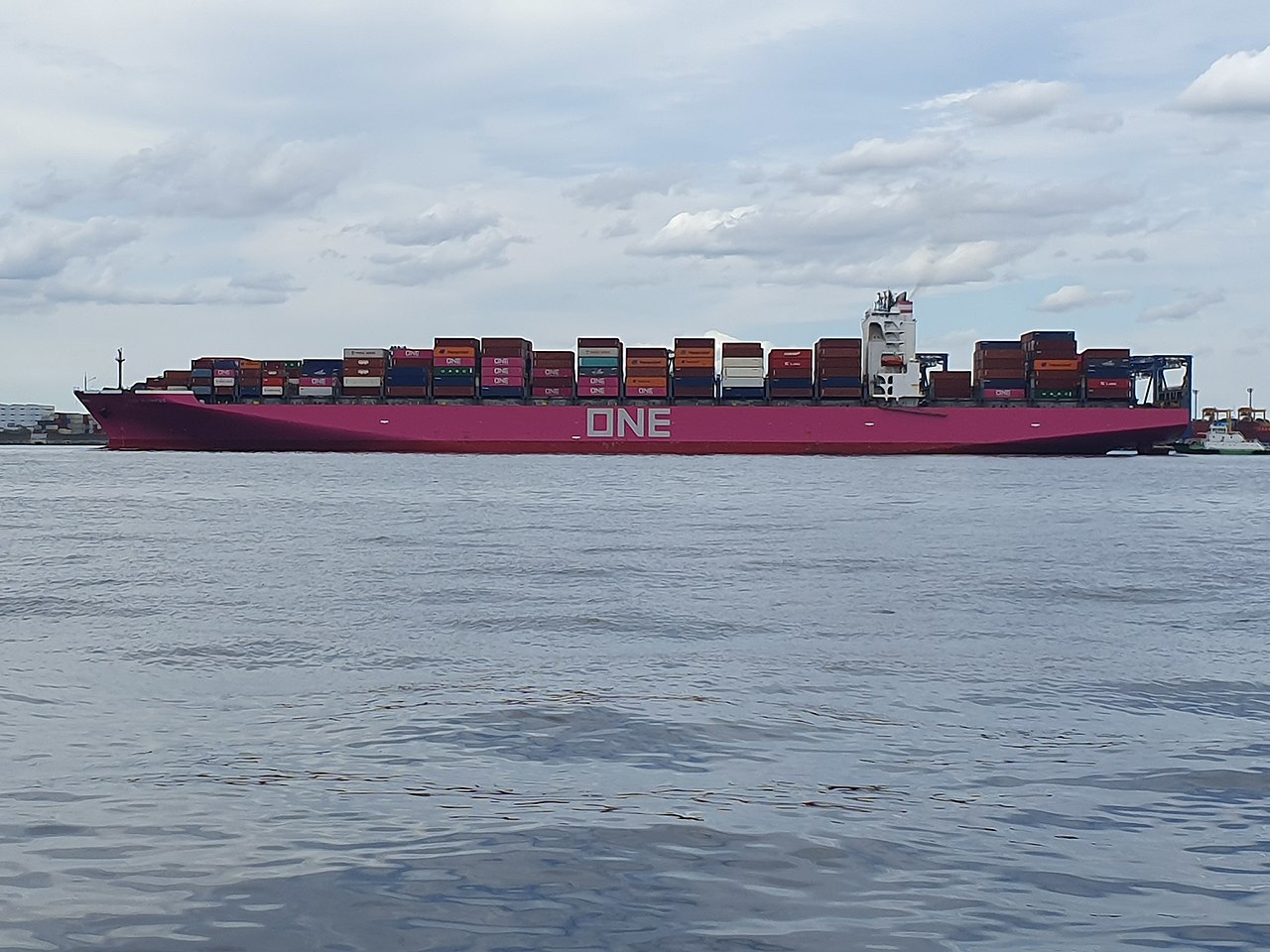
Container ship entering harbor with stacked cargo boxes and port infrastructure.
Visual context: Wikimedia Commons: Ocean Network Express container ship entering Tokyo harbor

Methodology

This analysis uses a scenario framework that combines market pricing, route/shipping evidence, policy signals, and macro confirmation data. Assumptions are reviewed on a weekly cadence and stress-tested under base, escalation, and tail-risk regimes.

  • Primary decision focus: Will enforcement intensity alter real flows or mostly narrative positioning?
  • Signal lens A: payment channels and shipping behavior
  • Signal lens B: legal risk transmission and commodity impact

Current Iran Sanctions Regime Explained

Current Iran Sanctions Regime Explained reframes iran sanctions around payment channels and shipping behavior, helping separate reversible shocks from conditions that can impair multi-quarter forecasts.

Use us sanctions on iran as a practical companion metric and benchmark it against legal risk transmission and commodity impact before moving capital or changing hedge overlays.

This section should end with a measurable decision statement: Will enforcement intensity alter real flows or mostly narrative positioning?. That statement defines when to hold, hedge, or rotate.

For implementation context, connect this with Oil Price Predictions During War: Data, Scenarios, and Risk and Strait of Hormuz Shipping Risk: Energy Flow and Economic Exposure. This keeps the iran sanctions workflow tied to multi-page evidence rather than single-source interpretation.

PeriodPolicy ShiftTargetsMarket Effect
2010-2012Multilateral tighteningBanking + oilLarge export contraction
2015-2016JCPOA implementationSelective reliefPartial normalization
2018-2020Maximum pressureOil + shipping + financeSharp formal decline
2021-2026Variable enforcementMixed channelsHigh uncertainty premium
iran sanctions visualization 1
Current Iran Sanctions Regime Explained visualization for iran sanctions.

How Sanctions Work and Where They Leak

In practical terms, How Sanctions Work and Where They Leak asks whether payment channels and shipping behavior confirms the current iran sanctions market narrative or challenges it early.

Execution quality rises when sanctions impact economy is tested alongside legal risk transmission and commodity impact, creating a disciplined base-case and tail-case split.

Decision discipline matters more than forecast confidence here. The operating question is: Will enforcement intensity alter real flows or mostly narrative positioning?; write it as a threshold-based checklist.

For implementation context, connect this with Conflict Market Indicators: Freight, Inflation, Credit, and Energy and War Economy Historical Data: Master Reference for Markets and Macro. This keeps the iran sanctions workflow tied to multi-page evidence rather than single-source interpretation.

iran sanctions visualization 2
How Sanctions Work and Where They Leak visualization for iran sanctions.

Economic Impact on Iran

In the Economic Impact on Iran lens, iran sanctions is best modeled through payment channels and shipping behavior so assumptions can be tested against observable market behavior.

Treat iran sanctions explained as a pressure-test input while monitoring legal risk transmission and commodity impact; that combination reduces reactionary positioning after volatile sessions.

Risk control improves when the primary decision is visible and binary: Will enforcement intensity alter real flows or mostly narrative positioning?. This prevents narrative drift from dominating execution.

If this signal shifts, cross-check Macro War Risk Analysis Hub: Inflation, Recession, and Policy Regimes and Oil Price Predictions During War: Data, Scenarios, and Risk. This keeps the iran sanctions workflow tied to multi-page evidence rather than single-source interpretation.

iran sanctions visualization 3
Economic Impact on Iran visualization for iran sanctions.

How Iran Sanctions Affect Global Markets

How Iran Sanctions Affect Global Markets should anchor iran sanctions decisions with payment channels and shipping behavior, then translate that evidence into scenario probabilities and position limits.

Treat sanctions against iran as a pressure-test input while monitoring legal risk transmission and commodity impact; that combination reduces reactionary positioning after volatile sessions.

Risk control improves when the primary decision is visible and binary: Will enforcement intensity alter real flows or mostly narrative positioning?. This prevents narrative drift from dominating execution.

A useful adjacent read is Strait of Hormuz Shipping Risk: Energy Flow and Economic Exposure and Conflict Market Indicators: Freight, Inflation, Credit, and Energy. This keeps the iran sanctions workflow tied to multi-page evidence rather than single-source interpretation.

iran sanctions visualization 4
How Iran Sanctions Affect Global Markets visualization for iran sanctions.

Companies Caught in the Crossfire

iran sanctions analysis improves when Companies Caught in the Crossfire starts with payment channels and shipping behavior instead of headline chronology or discretionary narrative framing.

Linking iran financial sanctions to legal risk transmission and commodity impact turns this section into a decision screen rather than a static explanation of market behavior.

Use the evidence in this section to answer a single operating question: Will enforcement intensity alter real flows or mostly narrative positioning?. Keep the answer tied to observable metrics, not sentiment.

If this signal shifts, cross-check War Economy Historical Data: Master Reference for Markets and Macro and Macro War Risk Analysis Hub: Inflation, Recession, and Policy Regimes. This keeps the iran sanctions workflow tied to multi-page evidence rather than single-source interpretation.

Case TypeFailure ModePenalty PatternInvestor Lesson
Payments processingWeak screeningLarge finesAudit controls
Shipping servicesOpaque counterpartiesOperating restrictionsMap ownership
Industrial exportsLicensing gapsCivil penaltiesStrengthen workflows
Financial facilitationIndirect routingEnforcement actionsMonitor jurisdiction
iran sanctions visualization 5
Companies Caught in the Crossfire visualization for iran sanctions.

Tightening vs. Relief Scenarios

In practical terms, Tightening vs. Relief Scenarios asks whether payment channels and shipping behavior confirms the current iran sanctions market narrative or challenges it early.

Execution quality rises when us sanctions on iran is tested alongside legal risk transmission and commodity impact, creating a disciplined base-case and tail-case split.

Decision discipline matters more than forecast confidence here. The operating question is: Will enforcement intensity alter real flows or mostly narrative positioning?; write it as a threshold-based checklist.

For confirmation, compare this section with Oil Price Predictions During War: Data, Scenarios, and Risk and Strait of Hormuz Shipping Risk: Energy Flow and Economic Exposure. This keeps the iran sanctions workflow tied to multi-page evidence rather than single-source interpretation.

iran sanctions visualization 6
Tightening vs. Relief Scenarios visualization for iran sanctions.

Iran vs. Russia vs. North Korea Sanctions

Use Iran vs. Russia vs. North Korea Sanctions to convert iran sanctions from commentary into process: define thresholds around payment channels and shipping behavior before expressing directional views.

This block should be cross-checked with sanctions impact economy because legal risk transmission and commodity impact often reveals fragility before consensus estimates update.

Convert this analysis into an action framework by restating the core test: Will enforcement intensity alter real flows or mostly narrative positioning?. If that test fails, de-risk mechanically rather than emotionally.

For implementation context, connect this with Conflict Market Indicators: Freight, Inflation, Credit, and Energy and War Economy Historical Data: Master Reference for Markets and Macro. This keeps the iran sanctions workflow tied to multi-page evidence rather than single-source interpretation.

CountryIntegrationCommodity LeverageEvasion CapacityObserved Effectiveness
IranMediumHigh oil leverageMedium-highMixed
RussiaHigh pre-2022Very highHighSignificant but adaptive
North KoreaLowLowMediumContainment-oriented
iran sanctions visualization 7
Iran vs. Russia vs. North Korea Sanctions visualization for iran sanctions.

Using Sanctions Data in Portfolio Construction

In practical terms, Using Sanctions Data in Portfolio Construction asks whether payment channels and shipping behavior confirms the current iran sanctions market narrative or challenges it early.

A robust process checks iran sanctions explained against legal risk transmission and commodity impact; this avoids overconfidence during fast news cycles and thin liquidity windows.

Avoid overfitting by anchoring to one repeatable decision: Will enforcement intensity alter real flows or mostly narrative positioning?. Re-evaluate only when your predefined signal stack changes state.

If this signal shifts, cross-check Macro War Risk Analysis Hub: Inflation, Recession, and Policy Regimes and Oil Price Predictions During War: Data, Scenarios, and Risk. This keeps the iran sanctions workflow tied to multi-page evidence rather than single-source interpretation.

iran sanctions visualization 8
Using Sanctions Data in Portfolio Construction visualization for iran sanctions.

Contextual next steps for iran sanctions: Oil Price Predictions During War: Data, Scenarios, and Risk; Strait of Hormuz Shipping Risk: Energy Flow and Economic Exposure; Conflict Market Indicators: Freight, Inflation, Credit, and Energy; War Economy Historical Data: Master Reference for Markets and Macro; Macro War Risk Analysis Hub: Inflation, Recession, and Policy Regimes. Use this sequence to validate assumptions before adjusting allocations.

FAQ

What are secondary sanctions?

Secondary sanctions target non-US entities that facilitate restricted activity and extend compliance risk globally.

Can sanctions reduce exports immediately?

Sometimes, but impact depends on enforcement intensity and alternative routing capacity.

How do sanctions affect inflation?

They can raise energy and logistics costs when supply flexibility is reduced.

Do sanctions always achieve policy goals?

Outcomes are mixed; sanctions can impose cost without guaranteeing strategic outcomes.

What should investors monitor?

Track enforcement language, shipping behavior, and payment-channel evidence.

Authoritative Sources

Financial Disclaimer

This content is for informational purposes only and does not constitute financial advice. Consult a qualified financial advisor before making investment decisions.

Operating Notes and Scenario Calibration

Keep iran sanctions sizing linked to evidence from "Current Iran Sanctions Regime Explained" instead of discretionary headline sequencing. Validate this signal sequence against Oil Price Predictions During War: Data, Scenarios, and Risk before increasing conviction. Data source for this check: US Treasury OFAC Iran sanctions.

Keep this iran sanctions workflow anchored to "How Sanctions Work and Where They Leak" with documented invalidation points. Compare this setup with Strait of Hormuz Shipping Risk: Energy Flow and Economic Exposure to stress-test second-order effects. Primary source link: IMF Iran profile.

When "Economic Impact on Iran" diverges from iran sanctions explained, hold neutral sizing until confirmation improves. Use Conflict Market Indicators: Freight, Inflation, Credit, and Energy as the adjacent-page confirmation path before changing exposures. Data source for this check: World Bank Iran overview.

Reconcile the "How Iran Sanctions Affect Global Markets" signal with sanctions against iran to avoid false positives in volatile sessions. Use War Economy Historical Data: Master Reference for Markets and Macro as the adjacent-page confirmation path before changing exposures. Data source for this check: SWIFT.

When "Companies Caught in the Crossfire" diverges from iran financial sanctions, hold neutral sizing until confirmation improves. Compare this setup with Macro War Risk Analysis Hub: Inflation, Recession, and Policy Regimes to stress-test second-order effects. Primary source link: US Treasury OFAC Iran sanctions.

Use "Tightening vs. Relief Scenarios" as a trigger map for iran sanctions, then pressure-test with us sanctions on iran and funding conditions. Cross-check assumptions in Oil Price Predictions During War: Data, Scenarios, and Risk so risk decisions stay cluster-aware. Evidence anchor: IMF Iran profile.

Keep iran sanctions sizing linked to evidence from "Iran vs. Russia vs. North Korea Sanctions" instead of discretionary headline sequencing. Cross-check assumptions in Strait of Hormuz Shipping Risk: Energy Flow and Economic Exposure so risk decisions stay cluster-aware. External benchmark: World Bank Iran overview.

Tie iran sanctions adjustments to threshold moves in "Using Sanctions Data in Portfolio Construction" and secondary confirmation from iran sanctions explained. Use Conflict Market Indicators: Freight, Inflation, Credit, and Energy as the adjacent-page confirmation path before changing exposures. Reference series: SWIFT.

If "Current Iran Sanctions Regime Explained" weakens while sanctions against iran strengthens, lower conviction and tighten risk budgets. Compare this setup with War Economy Historical Data: Master Reference for Markets and Macro to stress-test second-order effects. Reference series: US Treasury OFAC Iran sanctions.

Tie iran sanctions adjustments to threshold moves in "How Sanctions Work and Where They Leak" and secondary confirmation from iran financial sanctions. Validate this signal sequence against Macro War Risk Analysis Hub: Inflation, Recession, and Policy Regimes before increasing conviction. Reference series: IMF Iran profile.

Keep this iran sanctions workflow anchored to "Economic Impact on Iran" with documented invalidation points. Compare this setup with Oil Price Predictions During War: Data, Scenarios, and Risk to stress-test second-order effects. Primary source link: World Bank Iran overview.

If "How Iran Sanctions Affect Global Markets" weakens while sanctions impact economy strengthens, lower conviction and tighten risk budgets. Validate this signal sequence against Strait of Hormuz Shipping Risk: Energy Flow and Economic Exposure before increasing conviction. Data source for this check: SWIFT.

Use "Companies Caught in the Crossfire" as a trigger map for iran sanctions, then pressure-test with iran sanctions explained and funding conditions. Validate this signal sequence against Conflict Market Indicators: Freight, Inflation, Credit, and Energy before increasing conviction. Evidence anchor: US Treasury OFAC Iran sanctions.

Compare this section's outcome with sanctions against iran and delay tactical shifts until both align. Use War Economy Historical Data: Master Reference for Markets and Macro as the adjacent-page confirmation path before changing exposures. Reference series: IMF Iran profile.

Reconcile the "Iran vs. Russia vs. North Korea Sanctions" signal with iran financial sanctions to avoid false positives in volatile sessions. Run a parallel review in Macro War Risk Analysis Hub: Inflation, Recession, and Policy Regimes to prevent single-page tunnel vision. Data source for this check: World Bank Iran overview.

Compare this section's outcome with us sanctions on iran and delay tactical shifts until both align. Cross-check assumptions in Oil Price Predictions During War: Data, Scenarios, and Risk so risk decisions stay cluster-aware. External benchmark: SWIFT.

Tie iran sanctions adjustments to threshold moves in "Current Iran Sanctions Regime Explained" and secondary confirmation from sanctions impact economy. Validate this signal sequence against Strait of Hormuz Shipping Risk: Energy Flow and Economic Exposure before increasing conviction. External benchmark: US Treasury OFAC Iran sanctions.

Prioritize data from "How Sanctions Work and Where They Leak" and treat unsupported narrative spikes as low-quality inputs. Compare this setup with Conflict Market Indicators: Freight, Inflation, Credit, and Energy to stress-test second-order effects. External benchmark: IMF Iran profile.

Keep this iran sanctions workflow anchored to "Economic Impact on Iran" with documented invalidation points. Compare this setup with War Economy Historical Data: Master Reference for Markets and Macro to stress-test second-order effects. External benchmark: World Bank Iran overview.

When "How Iran Sanctions Affect Global Markets" diverges from iran financial sanctions, hold neutral sizing until confirmation improves. Run a parallel review in Macro War Risk Analysis Hub: Inflation, Recession, and Policy Regimes to prevent single-page tunnel vision. Data source for this check: SWIFT.