
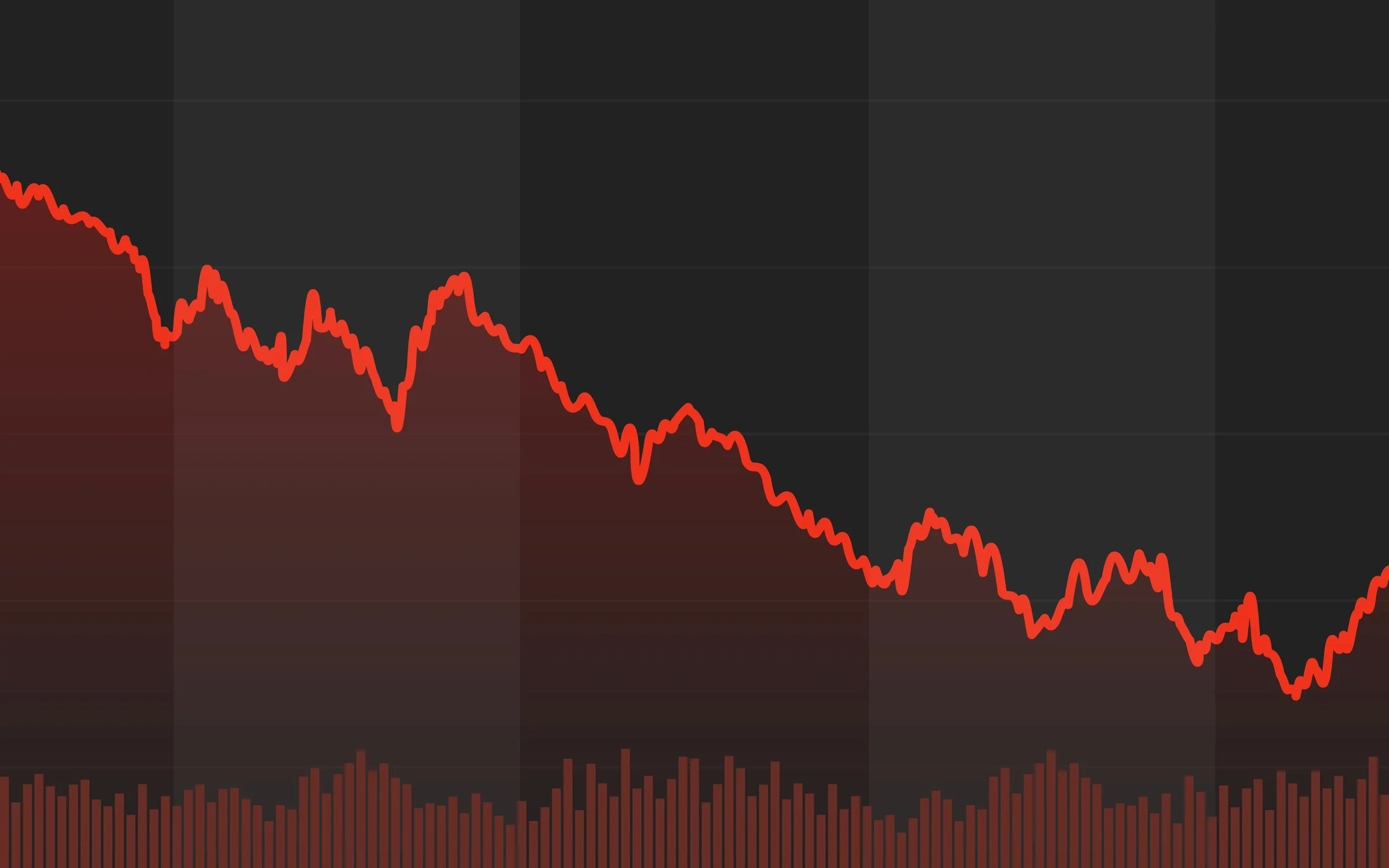
Stock Market During War: Historical Returns and Drawdown Math

Stock market during war episodes usually create sharp opening volatility that investors overestimate as permanent impairment. The practical edge is separating event shock from earnings-cycle damage before changing long-term allocation.

Stock market during war behavior is often misread because panic focuses on day-one losses while underweighting recovery path data and sector dispersion.

Last updated: March 5, 2026

Stock exchange quote display showing dense financial market numbers and tickers.
Visual context: Wikimedia Commons: Chicago Stock Exchange elevator screen

Methodology

This analysis uses a scenario framework that combines market pricing, route/shipping evidence, policy signals, and macro confirmation data. Assumptions are reviewed on a weekly cadence and stress-tested under base, escalation, and tail-risk regimes.

  • Primary decision focus: Is the drawdown a shock event or the start of an earnings regime reset?
  • Signal lens A: drawdown depth and credit confirmation
  • Signal lens B: sector dispersion and valuation reset speed

The Surprising Truth About Markets and War

In the The Surprising Truth About Markets and War lens, stock market during war is best modeled through drawdown depth and credit confirmation so assumptions can be tested against observable market behavior.

Pairing war impact on stock market with sector dispersion and valuation reset speed clarifies whether current moves reflect durable repricing or short-lived positioning effects.

The portfolio-level question remains explicit: Is the drawdown a shock event or the start of an earnings regime reset?. Use this section to document a trigger, a review cadence, and a concrete invalidation rule.

If this signal shifts, cross-check Defense Stocks Analysis: Contractors, ETFs, and Conflict Cycles and Defense Industry Stocks and Sector Impact Analysis During Conflict. This keeps the stock market during war workflow tied to multi-page evidence rather than single-source interpretation.

stock market during war visualization 1
The Surprising Truth About Markets and War visualization for stock market during war.

Complete Historical Performance Data

Complete Historical Performance Data is the decision hinge for stock market during war: investors need to quantify drawdown depth and credit confirmation before changing allocation or hedging intensity.

Scenario quality improves when best investments during war is mapped to sector dispersion and valuation reset speed, especially during weeks when conflicting headlines distort signal clarity.

Treat this section as a monitoring protocol centered on one decision: Is the drawdown a shock event or the start of an earnings regime reset?. The objective is consistency across volatile headline windows.

For confirmation, compare this section with War Recession Risk: Indicators, Transmission, and Scenarios and Portfolio Protection in Wartime: Evidence, Hedges, and Mistakes. This keeps the stock market during war workflow tied to multi-page evidence rather than single-source interpretation.

ConflictMax DrawdownDays to Bottom1M3M6M12MRecovery
Korean War-6.2%18+1.1%+3.4%+5.2%+11.8%32d
Cuban Missile Crisis-7.0%9+2.6%+6.8%+9.7%+14.9%21d
1973 Oil Shock-17.4%74-3.1%-6.5%-9.8%-5.4%410d
1990 Gulf War-16.9%62+4.2%+11.0%+15.6%+25.2%189d
2003 Iraq War-8.2%21+3.3%+10.9%+18.0%+29.4%47d
2022 Ukraine-13.0%19-2.7%-6.2%-4.9%+7.3%226d
stock market during war visualization 2
Complete Historical Performance Data visualization for stock market during war.

Why Markets Usually Recover Quickly and When They Don't

Why Markets Usually Recover Quickly and When They Don't should anchor stock market during war decisions with drawdown depth and credit confirmation, then translate that evidence into scenario probabilities and position limits.

When how to invest during conflict and sector dispersion and valuation reset speed diverge, position sizing should stay conservative until confirmation arrives from cross-asset price action.

The highest-value output here is not a prediction but a decision trigger: Is the drawdown a shock event or the start of an earnings regime reset?. This supports disciplined scenario maintenance.

To pressure-test this assumption, review Equity Market War Analysis Hub: Drawdowns, Rotation, and Recovery and Defense Stocks Analysis: Contractors, ETFs, and Conflict Cycles. This keeps the stock market during war workflow tied to multi-page evidence rather than single-source interpretation.

stock market during war visualization 3
Why Markets Usually Recover Quickly and When They Don't visualization for stock market during war.

This Conflict's Market Risk Profile

In the This Conflict's Market Risk Profile lens, stock market during war is best modeled through drawdown depth and credit confirmation so assumptions can be tested against observable market behavior.

Pairing gold prices war with sector dispersion and valuation reset speed clarifies whether current moves reflect durable repricing or short-lived positioning effects.

The portfolio-level question remains explicit: Is the drawdown a shock event or the start of an earnings regime reset?. Use this section to document a trigger, a review cadence, and a concrete invalidation rule.

A useful adjacent read is Defense Industry Stocks and Sector Impact Analysis During Conflict and War Recession Risk: Indicators, Transmission, and Scenarios. This keeps the stock market during war workflow tied to multi-page evidence rather than single-source interpretation.

stock market during war visualization 4
This Conflict's Market Risk Profile visualization for stock market during war.

Sector Rotation During Conflict

Use Sector Rotation During Conflict to convert stock market during war from commentary into process: define thresholds around drawdown depth and credit confirmation before expressing directional views.

Use stock market war as a practical companion metric and benchmark it against sector dispersion and valuation reset speed before moving capital or changing hedge overlays.

This section should end with a measurable decision statement: Is the drawdown a shock event or the start of an earnings regime reset?. That statement defines when to hold, hedge, or rotate.

If this signal shifts, cross-check Portfolio Protection in Wartime: Evidence, Hedges, and Mistakes and Equity Market War Analysis Hub: Drawdowns, Rotation, and Recovery. This keeps the stock market during war workflow tied to multi-page evidence rather than single-source interpretation.

SectorMedian 3M ReturnDispersionTypical Role
Energy+8.4%HighInflation hedge
Aerospace & Defense+7.1%MediumPolicy-driven demand
Gold Miners+6.0%HighRisk-off convexity
Healthcare+3.8%LowDefensive earnings
Consumer Discretionary-3.7%HighDemand shock
Airlines & Travel-7.5%Very highFuel/confidence shock
stock market during war visualization 5
Sector Rotation During Conflict visualization for stock market during war.

Day Trading Geopolitical Events vs. Staying the Course

Use Day Trading Geopolitical Events vs. Staying the Course to convert stock market during war from commentary into process: define thresholds around drawdown depth and credit confirmation before expressing directional views.

Use war impact on stock market as a practical companion metric and benchmark it against sector dispersion and valuation reset speed before moving capital or changing hedge overlays.

This section should end with a measurable decision statement: Is the drawdown a shock event or the start of an earnings regime reset?. That statement defines when to hold, hedge, or rotate.

For implementation context, connect this with Defense Stocks Analysis: Contractors, ETFs, and Conflict Cycles and Defense Industry Stocks and Sector Impact Analysis During Conflict. This keeps the stock market during war workflow tied to multi-page evidence rather than single-source interpretation.

stock market during war visualization 6
Day Trading Geopolitical Events vs. Staying the Course visualization for stock market during war.

Actionable Framework for Investors

In practical terms, Actionable Framework for Investors asks whether drawdown depth and credit confirmation confirms the current stock market during war market narrative or challenges it early.

Execution quality rises when best investments during war is tested alongside sector dispersion and valuation reset speed, creating a disciplined base-case and tail-case split.

Decision discipline matters more than forecast confidence here. The operating question is: Is the drawdown a shock event or the start of an earnings regime reset?; write it as a threshold-based checklist.

For confirmation, compare this section with War Recession Risk: Indicators, Transmission, and Scenarios and Portfolio Protection in Wartime: Evidence, Hedges, and Mistakes. This keeps the stock market during war workflow tied to multi-page evidence rather than single-source interpretation.

stock market during war visualization 7
Actionable Framework for Investors visualization for stock market during war.

Cross-Page Research Path

In the Cross-Page Research Path lens, stock market during war is best modeled through drawdown depth and credit confirmation so assumptions can be tested against observable market behavior.

Treat how to invest during conflict as a pressure-test input while monitoring sector dispersion and valuation reset speed; that combination reduces reactionary positioning after volatile sessions.

Risk control improves when the primary decision is visible and binary: Is the drawdown a shock event or the start of an earnings regime reset?. This prevents narrative drift from dominating execution.

For implementation context, connect this with Equity Market War Analysis Hub: Drawdowns, Rotation, and Recovery and Defense Stocks Analysis: Contractors, ETFs, and Conflict Cycles. This keeps the stock market during war workflow tied to multi-page evidence rather than single-source interpretation.

stock market during war visualization 8
Cross-Page Research Path visualization for stock market during war.

Contextual next steps for stock market during war: Defense Stocks Analysis: Contractors, ETFs, and Conflict Cycles; Defense Industry Stocks and Sector Impact Analysis During Conflict; War Recession Risk: Indicators, Transmission, and Scenarios; Portfolio Protection in Wartime: Evidence, Hedges, and Mistakes; Equity Market War Analysis Hub: Drawdowns, Rotation, and Recovery. Use this sequence to validate assumptions before adjusting allocations.

FAQ

Does the stock market always fall during war?

No. Initial drawdowns are common, but medium-term outcomes are often positive unless macro damage persists.

How long do conflict drawdowns usually last?

Many episodes bottom within weeks to months, though inflation-driven regimes can extend recovery.

Which sectors usually hold up best?

Energy, defense, and selected defensive growth areas often show stronger relative resilience.

Is timing war headlines effective?

Evidence generally favors disciplined holding and rebalancing over repeated tactical exits.

What should investors monitor first?

Credit spreads plus earnings revision trends are practical confirmation signals.

Authoritative Sources

Financial Disclaimer

This content is for informational purposes only and does not constitute financial advice. Consult a qualified financial advisor before making investment decisions.

Operating Notes and Scenario Calibration

Validate stock market during war assumptions from "The Surprising Truth About Markets and War" against war impact on stock market before revising exposure tiers. Use Defense Stocks Analysis: Contractors, ETFs, and Conflict Cycles as the adjacent-page confirmation path before changing exposures. Data source for this check: FRED market data.

When "Complete Historical Performance Data" diverges from best investments during war, hold neutral sizing until confirmation improves. Validate this signal sequence against Defense Industry Stocks and Sector Impact Analysis During Conflict before increasing conviction. Primary source link: S&P research insights.

Reconcile the "Why Markets Usually Recover Quickly and When They Don't" signal with how to invest during conflict to avoid false positives in volatile sessions. Use War Recession Risk: Indicators, Transmission, and Scenarios as the adjacent-page confirmation path before changing exposures. Reference series: IMF WEO.

When "This Conflict's Market Risk Profile" diverges from gold prices war, hold neutral sizing until confirmation improves. Cross-check assumptions in Portfolio Protection in Wartime: Evidence, Hedges, and Mistakes so risk decisions stay cluster-aware. Evidence anchor: Reuters markets.

Reconcile the "Sector Rotation During Conflict" signal with stock market war to avoid false positives in volatile sessions. Cross-check assumptions in Equity Market War Analysis Hub: Drawdowns, Rotation, and Recovery so risk decisions stay cluster-aware. Data source for this check: FRED market data.

Compare this section's outcome with war impact on stock market and delay tactical shifts until both align. Cross-check assumptions in Defense Stocks Analysis: Contractors, ETFs, and Conflict Cycles so risk decisions stay cluster-aware. External benchmark: S&P research insights.

Reconcile the "Actionable Framework for Investors" signal with best investments during war to avoid false positives in volatile sessions. Use Defense Industry Stocks and Sector Impact Analysis During Conflict as the adjacent-page confirmation path before changing exposures. Evidence anchor: IMF WEO.

When "Cross-Page Research Path" diverges from how to invest during conflict, hold neutral sizing until confirmation improves. Compare this setup with War Recession Risk: Indicators, Transmission, and Scenarios to stress-test second-order effects. External benchmark: Reuters markets.

Tie stock market during war adjustments to threshold moves in "The Surprising Truth About Markets and War" and secondary confirmation from gold prices war. Validate this signal sequence against Portfolio Protection in Wartime: Evidence, Hedges, and Mistakes before increasing conviction. Data source for this check: FRED market data.

Prioritize data from "Complete Historical Performance Data" and treat unsupported narrative spikes as low-quality inputs. Cross-check assumptions in Equity Market War Analysis Hub: Drawdowns, Rotation, and Recovery so risk decisions stay cluster-aware. Primary source link: S&P research insights.

Keep stock market during war sizing linked to evidence from "Why Markets Usually Recover Quickly and When They Don't" instead of discretionary headline sequencing. Validate this signal sequence against Defense Stocks Analysis: Contractors, ETFs, and Conflict Cycles before increasing conviction. Evidence anchor: IMF WEO.

Reconcile the "This Conflict's Market Risk Profile" signal with best investments during war to avoid false positives in volatile sessions. Run a parallel review in Defense Industry Stocks and Sector Impact Analysis During Conflict to prevent single-page tunnel vision. Evidence anchor: Reuters markets.

Keep stock market during war sizing linked to evidence from "Sector Rotation During Conflict" instead of discretionary headline sequencing. Validate this signal sequence against War Recession Risk: Indicators, Transmission, and Scenarios before increasing conviction. Primary source link: FRED market data.

Validate stock market during war assumptions from "Day Trading Geopolitical Events vs. Staying the Course" against gold prices war before revising exposure tiers. Compare this setup with Portfolio Protection in Wartime: Evidence, Hedges, and Mistakes to stress-test second-order effects. Evidence anchor: S&P research insights.

If "Actionable Framework for Investors" weakens while stock market war strengthens, lower conviction and tighten risk budgets. Validate this signal sequence against Equity Market War Analysis Hub: Drawdowns, Rotation, and Recovery before increasing conviction. Data source for this check: IMF WEO.

Reconcile the "Cross-Page Research Path" signal with war impact on stock market to avoid false positives in volatile sessions. Use Defense Stocks Analysis: Contractors, ETFs, and Conflict Cycles as the adjacent-page confirmation path before changing exposures. External benchmark: Reuters markets.

If "The Surprising Truth About Markets and War" weakens while best investments during war strengthens, lower conviction and tighten risk budgets. Use Defense Industry Stocks and Sector Impact Analysis During Conflict as the adjacent-page confirmation path before changing exposures. Data source for this check: FRED market data.

Validate stock market during war assumptions from "Complete Historical Performance Data" against how to invest during conflict before revising exposure tiers. Cross-check assumptions in War Recession Risk: Indicators, Transmission, and Scenarios so risk decisions stay cluster-aware. Reference series: S&P research insights.

When "Why Markets Usually Recover Quickly and When They Don't" diverges from gold prices war, hold neutral sizing until confirmation improves. Run a parallel review in Portfolio Protection in Wartime: Evidence, Hedges, and Mistakes to prevent single-page tunnel vision. External benchmark: IMF WEO.